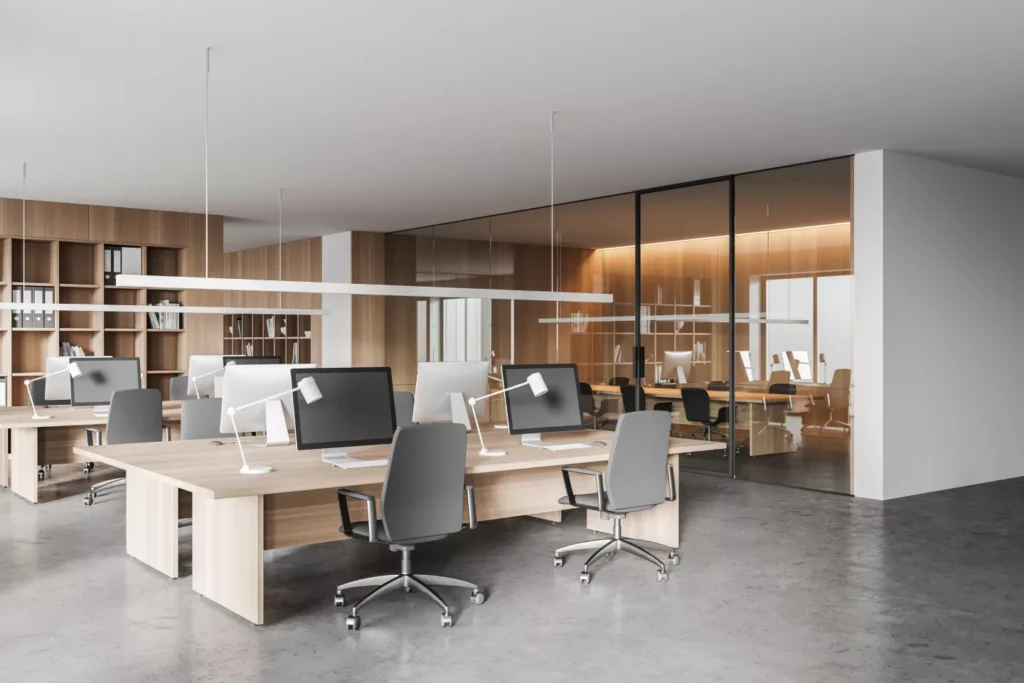





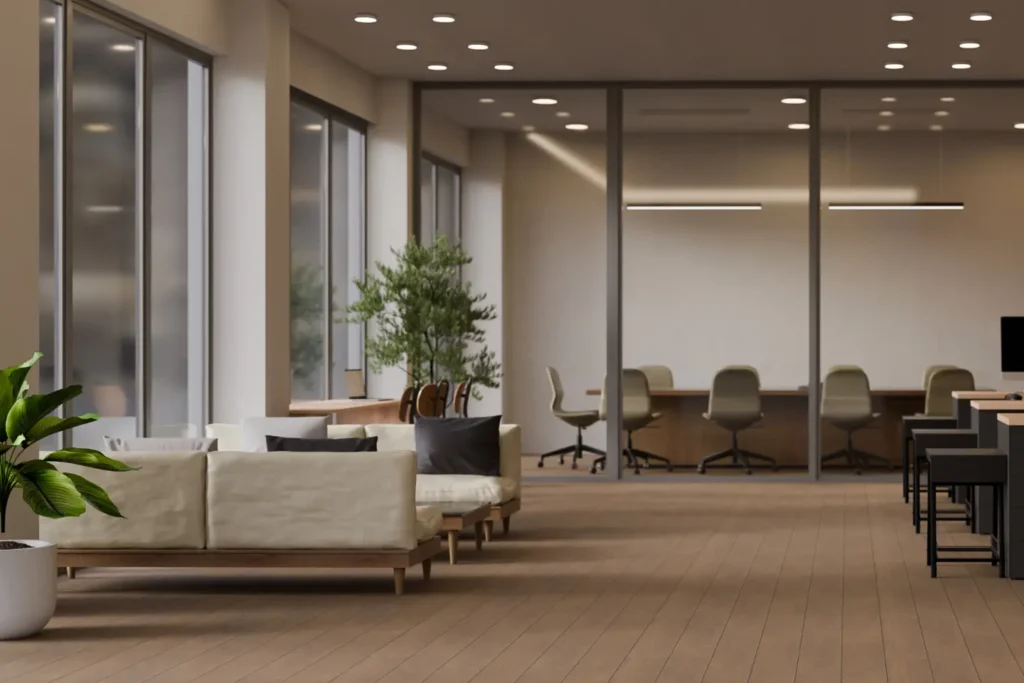
Startups often begin with traditional office spaces to maintain control over early-stage costs and workspace requirements. While smaller setups can support lean teams, rapid hiring, evolving business needs and increasing operational responsibilities can make these spaces increasingly difficult to manage. As companies scale, workplace decisions become less about having an office and more about creating an environment that supports productivity, flexibility and business continuity. At this stage, many startups begin evaluating whether a managed office for startups can provide the flexibility, infrastructure and operational support required for their next phase of growth.
Why Startups Initially Choose Traditional Office Spaces
Lower initial rental costs
A traditional office space often appears more affordable during the early stages of a startup. Smaller offices with basic infrastructure can help founders control initial expenses while investing resources into product development, hiring and business growth. A simple startup office space can provide the essential environment needed to operate without committing to larger workspace investments.
More control over office setup
Traditional offices provide greater control over workspace design. Businesses can customise interiors, layouts and branding elements based on their team culture and operational requirements. This is useful when companies have specific design preferences and want complete ownership of their office setup.
Suitable for very small teams
When employee numbers are limited, managing a traditional workspace is easier. Small teams do not require extensive infrastructure, multiple meeting rooms, or dedicated workplace support. At this stage, basic office infrastructure is sufficient for business needs.
Signs Your Startup Has Outgrown a Traditional Office
Team expansion is becoming difficult
As a startup grows, limited seating capacity can quickly become a challenge. The workspace may no longer accommodate new departments, changing team structures and evolving collaboration requirements. Businesses often start exploring managed office spaces when their existing setup no longer supports their growth plans.
Office management is affecting productivity
Coordinating vendors, handling repairs, managing utilities and maintaining daily operations require continuous attention. For growing startups, these responsibilities can distract leadership teams from business priorities. A managed office for startups reduces the operational burden by allowing workspace experts to manage facilities and services.
Clients and investors expect a more professional setup
A professional office environment influences how clients, investors and potential employees view a growing company. As startups build stronger partnerships and enter new markets, their workspace needs to reflect their evolving brand image. A well-designed workplace shows credibility.
Hybrid work and flexibility needs are increasing
Many startups now operate using hybrid work models, where teams adjust their workplace requirements over time. Fixed office setups can make it difficult to adapt quickly. Flexible office spaces for startups provide the ability to scale workspace requirements without frequent relocations or major setup changes.
How Managed Offices Support Startup Growth
Faster scalability for growing teams
Startup team expansion often happens quickly. Managed offices allow businesses to add seats, cabins and workspace requirements without long setup timelines. This makes it easier for companies to achieve workplace scalability while focusing on hiring, customers and business development.
Ready-to-use infrastructure
A managed office provides essential workplace infrastructure from the beginning. Internet connectivity, meeting rooms, security systems and facility management support are already available. This reduces the time and investment required to make a workspace operational. For startups comparing traditional office vs managed office, ready infrastructure is one of the biggest differences. BuzzWorks provides professionally designed managed workspaces that help businesses access operational offices without managing multiple setup requirements.
Reduced operational burden
Running an office independently requires managing several vendors and ongoing responsibilities. From maintenance to housekeeping and utilities, these tasks can increase office operational costs over time. With managed office spaces, businesses can reduce daily administration and focus their resources on growth instead of workspace management.
Better workplace experience
A professional workplace can improve employee productivity, collaboration and retention. Well-designed environments, meeting spaces and workplace amenities create better day-to-day experiences for teams. For startups competing for talent, a thoughtfully planned office environment can become an important part of company culture.
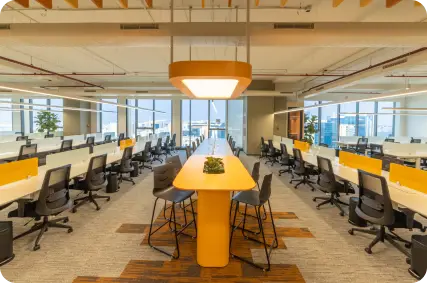
Why Startups Eventually Outgrow Traditional Office Cost
Traditional offices may appear cost-effective initially, but evaluating the complete cost requires considering setup investments, operational responsibilities, maintenance requirements and the time required to make the workspace fully functional.
For many growing businesses, which office space is cost-effective depends on more than rent. It depends on flexibility, infrastructure and long-term operational requirements.
Costs startups often underestimate in traditional offices
Many startups consider only rental costs while planning their workspace budget. However, additional expenses may include:
- Office interiors and furniture
- Internet and IT setup
- Security and housekeeping
- Maintenance and utility coordination
These additional investments contribute to overall office setup costs and can become difficult to manage during periods of rapid business expansion.
Predictable operational expenses
A managed office combines workspace requirements and operational services into a predictable model. This allows startups to plan budgets with better cost visibility.
Instead of managing multiple vendors, businesses can focus on their core operations while workplace services are handled efficiently. This makes managed offices a practical choice for startups seeking flexible workplace solutions with greater cost visibility.
Managed Offices Also Improve Business Perception
Professional office environments matter
A professional office environment creates a stronger experience for clients, investors and future employees. For startups, the workplace is not just a place to work. It represents the company’s growth stage, culture and approach towards building a productive team.
Premium locations improve startup visibility
Managed offices are often positioned in established business districts, giving startups access to strategic locations and better connectivity. A strong location can improve accessibility for employees, clients and partners while supporting long-term startup growth.
Better meeting and collaboration infrastructure
Growing startups regularly need professional spaces for client meetings, investor discussions and team collaboration. Managed workspaces provide conference rooms, visitor management support and collaborative areas, helping startups create a more professional business experience without investing separately in infrastructure.
Conclusion
The transition from a traditional office to a managed office depends on a startup’s stage of expansion, operational requirements and workplace priorities. While traditional setups can support early-stage teams, increasing employee numbers, administrative responsibilities and flexibility needs often require a more adaptable workplace model.
For startups seeking infrastructure without operational complexity, managed office spaces balances flexibility, scalability and workplace support. Choosing the right startup office space allows businesses to focus their resources on innovation, customers and long-term business objectives.
Businesses exploring managed workspace solutions can evaluate BuzzWorks to understand how professionally managed infrastructure can support startup growth.